Also called tribal tattoo, neo-tribal, Polynesian tattoo
Tribal tattoos in Seattle
What is tribal?Updated October 18, 2026
Tribal tattoos use bold, solid black shapes and patterns. The term covers two different things: living traditional tattoo practices such as Samoan tatau, Māori tā moko and Bornean tattooing, and the neo-tribal style that Leo Zulueta popularized in the 1980s and 1990s. Both age extremely well, but traditional designs carry cultural meaning and lineage.
Palm-size in Seattle
$200–$500
Simple solid shapes go quickly, about 1–2 hours at palm size. Larger custom work is quoted by the hour.
Ages well
5/5
About tribal tattoos
Many cultures across Polynesia, Southeast Asia and elsewhere have practiced tattooing for centuries. Samoan tatau and Māori tā moko, for example, carry specific meanings, are tied to family and status, and were traditionally applied with hand tools by specialist practitioners. In the 1980s, Leo Zulueta, who had studied Bornean traditional tattooing, developed the neo-tribal style that became hugely influential and, by the 1990s, mainstream.
Neo-tribal designs are solid black, flowing shapes with sharp points, worn as armbands, back pieces and sleeves, without the specific cultural meanings of traditional work. If you're drawn to a culture's traditional designs, seek out a practitioner from that culture, or one trained within it. In the Pacific Northwest, Northwest Coast formline art, with its ovoids and U-forms, belongs to living Indigenous nations, and the same respect applies.
Tribal earns an aging score of 5 out of 5. Solid black shapes with clean edges are about as durable as tattoos get. They stay bold and readable for decades. That durability is also why so many 1990s tribal pieces are now popular cover-up projects: they don't fade on their own, so covering them takes a dark, larger design.
Defining traits
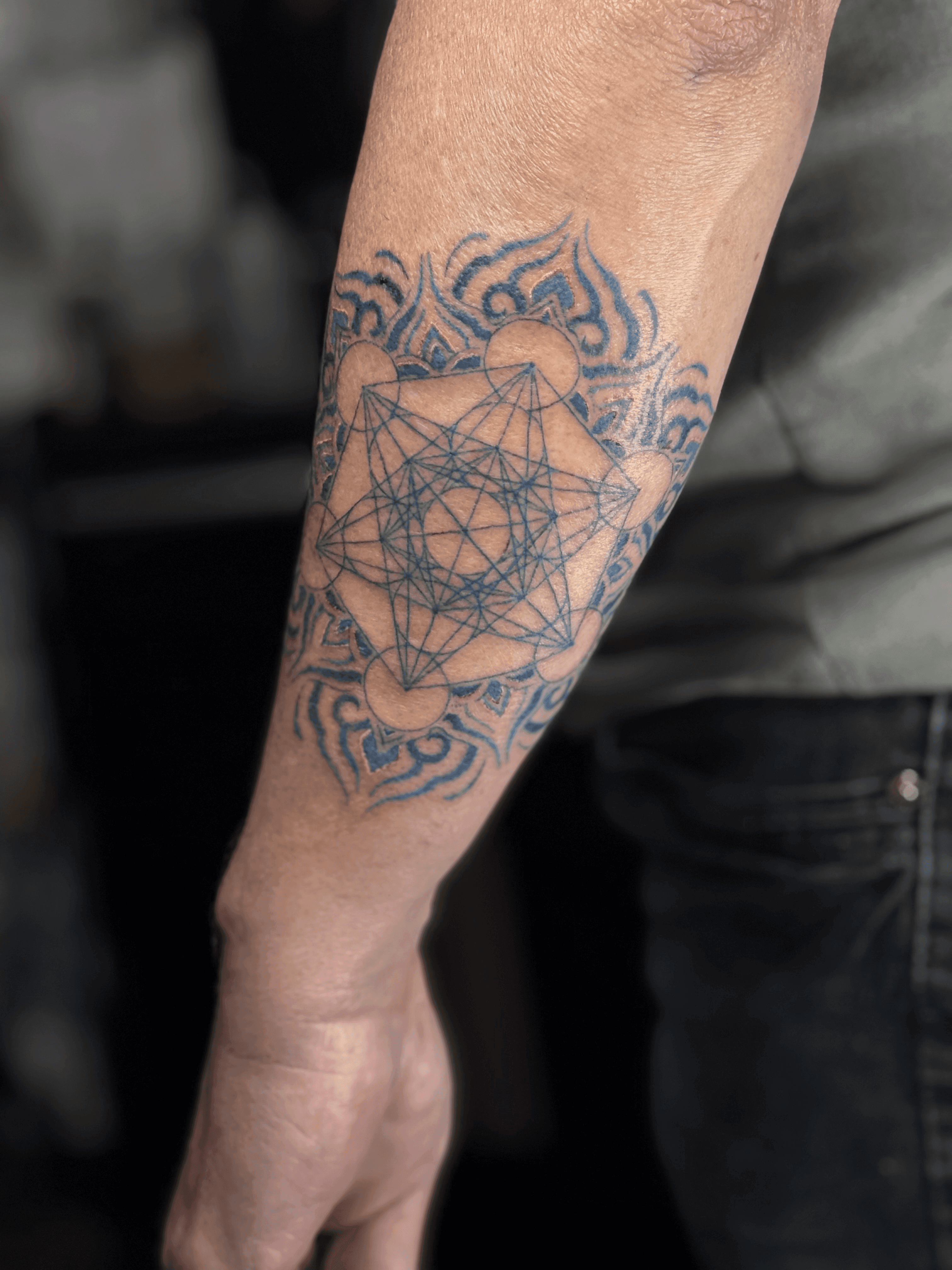
Solid black shapes and patterns
Bold, flowing or angular lines
High contrast with open skin
Designed to follow muscles and body lines
Traditional forms carry cultural meaning
Tribal tattoo studios
8 studios in Washington list tribal work, 1 of them in Seattle. Always check an artist's portfolio — style is about the artist, not the shop. See the 15 artists who list it.
True Love Tattoo and Art Gallery is a tattoo studio and art gallery in Capitol Hill, Seattle. The site lists styles including Japanese traditional, black & grey realism, color work, geometric designs, and dotwork, and says consultations are free.
Sacred Yeti Tattoos is a tattoo shop in Vancouver, Washington, offering custom tattoos and cosmetic tattoo makeup services. Its listed services include photo-realistic, botanical, color, floral, tribal, cover-up, and sleeve tattoos.
Five Star Tattoo Co. is a tattoo studio in Battle Ground, Washington, that has served the area since 2002. The studio offers tattooing and piercing, and its artists describe styles and interests including black and grey, photo realism, Japanese traditional, and fine-line illustration.
Rollin’ Gypsy Tattoo is a tattoo studio at 13923 Pacific Avenue South. It offers custom tattoos in styles including American Traditional, Japanese, realism, and black and gray.
Local Roots Ink is a tattoo studio in Des Moines, WA. The studio says its artists work in styles including Polynesian, realism, anime, and fine-line tattoos, and asks clients to schedule a consultation before booking.
Local Boy Tatau is a custom tattoo shop in downtown Vancouver, Washington. The shop lists specialties including Polynesian, lettering and script, traditional, Japanese, and photorealism tattoos.
American TraditionalNeo-Traditional
localboytatau.comView
Artists
Artists who do tribal
15 artists list tribal work on their studio’s website, 4 of them at Seattle studios. Seattle artists come first; each profile shows the artist’s studio, styles and professional links.
Names, roles, styles and photos come from each studio’s own website, and every profile links to its source. Professional information only. How artist profiles work
Tribal tattoo FAQ
Is it okay to get a Polynesian or Māori-style tattoo?
Traditional Polynesian designs such as Samoan tatau and Māori tā moko carry family, status and cultural meaning, so copying them without that context is widely seen as disrespectful. If you're drawn to them, work with a practitioner from that culture or one trained within it, and expect a conversation about meaning and eligibility.
Can an old tribal tattoo be covered up?
Yes, but it takes planning because tribal is solid black. Most tribal cover-ups use a larger, darker design such as Japanese work, heavy blackwork or dense florals, sometimes after a few laser sessions to lighten the old ink. Reworking the tribal into a bigger blackwork piece is another option.